

Blog
Indoor vs Outdoor Tanning Lotion: Key Differences


TL;DR — Quick Answer
Indoor vs outdoor tanning lotion is not just a matter of preference — they are chemically different products. Outdoor lotions contain SPF filters and mineral oil that block UV rays and dissolve tanning bed acrylic. Indoor lotions are mineral-oil-free and acrylic-safe. Never use outdoor tanning lotion in a tanning bed. Keep reading for the full science-backed explanation and product recommendations.
You’ve probably heard it from a salon employee: “Don’t bring that in here.” If you showed up to a tanning session with a bottle you grabbed off a drugstore shelf or pulled from last summer’s beach bag, you may have been turned away — and not told why. The difference between indoor vs outdoor tanning lotion goes far deeper than the label. It comes down to specific ingredients that either protect the tanning bed or slowly destroy it. Tanning lotion options at local salons are specifically formulated to enhance your tanning experience while also taking care of your skin. These products often contain unique ingredients that provide hydration and nourishment, which can be crucial for achieving an even tan. It’s always a good idea to consult with the salon staff to find the best product suited for your skin type and tanning goals.
This guide explains exactly what those ingredients are, why they cause damage, and how to pick a formula that’s safe for both your skin and your salon’s equipment.
Why Indoor and Outdoor UV Work Differently
The key to understanding the lotion difference starts with the UV source. Outdoor sun and indoor tanning beds do not emit the same light. Tanning bed lotion benefits explained can help users achieve a deeper and more even tan compared to regular sunscreen. These specialized lotions are formulated to enhance the tanning process and often contain ingredients that promote skin hydration and nourishment. Understanding how these benefits work can lead to safer and more effective tanning experiences.
Broad-Spectrum UV
- Emits both UVA and UVB rays
- UVB causes sunburn and surface damage
- UVA penetrates deeper, triggers melanin
- Intensity changes with time, weather, altitude
- SPF filters are needed to prevent burns
Controlled UVA Output
- Primarily high-output UVA rays
- Very low or zero UVB in most modern beds
- Consistent, calibrated exposure per session
- Acrylic shield filters stray wavelengths
- SPF filters are counterproductive
Why This Matters for Your Lotion
Outdoor tanning lotions are built to manage broad-spectrum sunlight. They include SPF filters — ingredients like avobenzone, oxybenzone, or zinc oxide — that block UV rays. Inside a tanning bed, those same filters work against you. They sit on your skin and reflect or absorb the very UVA energy you’re paying for. Your session becomes significantly less effective.
Indoor tanning lotions do the opposite. They’re designed to maximize UV absorption. They use ingredients like Tyrosine (an amino acid that boosts melanin production) and DHA (dihydroxyacetone — a sugar molecule that reacts with surface skin cells to create visible color). Neither ingredient blocks UV. Both are formulated to be completely safe on acrylic.
The Real Reason Outdoor Lotion Damages Tanning Beds
Even if you ignore the SPF issue, there’s a bigger problem: the base formula of most outdoor lotions is chemically incompatible with tanning bed surfaces.
Mineral Oil — The Acrylic Killer
Most drugstore outdoor lotions and many body lotions use mineral oil (listed on labels as Paraffinum Liquidum) as their primary moisturizer. It’s cheap, effective on skin, and shelf-stable. Unfortunately, it’s also one of the most damaging substances you can put on tanning bed acrylic.
Tanning bed shields are made from a plastic called polymethyl methacrylate (PMMA) — the same material used in plexiglass. PMMA is durable and UV-transparent, which makes it ideal for tanning. But it has a chemical weakness: it’s vulnerable to petroleum-based compounds. Mineral oil is petroleum-derived. When it contacts the acrylic repeatedly, it causes:
Mineral oil penetrates the surface layer of PMMA, breaking down the polymer chains. Over time this causes clouding (haze that won’t buff out), microcracks that spread under UV heat, and eventually structural brittleness that can cause a shield to crack mid-session. A cloudy or cracked shield reduces UV transmission, meaning every tanner after you gets a worse result.
Other Ingredients That Harm Acrylic
Mineral oil isn’t the only offender. Several other common outdoor lotion ingredients react badly with acrylic surfaces:
- Petrolatum (petroleum jelly) — same petroleum base as mineral oil, same damage mechanism
- High-concentration silicones — some silicone oils build up on acrylic and cause blurring over time
- Benzophenone-based sunscreens — oxybenzone and similar compounds can leach into porous acrylic surfaces
- Denatured alcohol (SD alcohol) — dries out and stress-cracks certain grades of acrylic with repeated exposure
- Fragrance oils (undiluted) — certain essential oil carriers are solvent-based and can dull acrylic finish
Safe vs. Unsafe Ingredients — Side by Side
Here’s a quick reference list. Check the ingredient label of any lotion before your next session. If you see anything in the left column, leave it at home.
- Paraffinum Liquidum Mineral oil — cracks and clouds acrylic
- Petrolatum Petroleum jelly — same damage as mineral oil
- Avobenzone / Butyl Methoxydibenzoylmethane SPF filter — blocks UVA, absorbs into acrylic
- Oxybenzone / Benzophenone-3 SPF filter — UV-blocking, surface damage
- Octinoxate / Ethylhexyl Methoxycinnamate SPF filter — neutralizes UV exposure
- Zinc Oxide / Titanium Dioxide Physical SPF — reflects UVA directly
- SD Alcohol / Denatured Alcohol Stress-cracks acrylic with repeated use
- DHA (Dihydroxyacetone) Sugar-based bronzer — completely acrylic-safe
- Tyrosine Amino acid — boosts melanin, no surface impact
- Erythrulose Gentle plant-based bronzer — acrylic-safe
- Beta Carotene Natural color pigment — water-soluble, safe
- Aloe Vera / Shea Butter Moisturizers — no petroleum, acrylic-compatible
- Sacha Inchi Oil Omega-rich plant oil — safe on all surfaces
- Hemp Seed Oil / Vitamin E Antioxidant moisturizers — no acrylic impact
Ingredient lists are ranked by concentration — the first ingredient is the most plentiful. If mineral oil or petrolatum appears in the first five entries, that lotion has enough petroleum content to cause acrylic damage over time, even if other ingredients are safe. Always check the top of the list first.
What Acrylic Damage Actually Looks Like
You may have seen it in older tanning beds — a foggy, yellowed shield that no amount of cleaning seems to fix. That’s the end result of repeated exposure to the wrong products. Here’s how it progresses:
The Cost to Everyone
Acrylic damage doesn’t just affect the person who brought the wrong lotion. Every tanner who uses that bed after the damage has begun gets less UV exposure through the clouded shield, pays the same session price, and walks out with a weaker result. Salons spend thousands per year replacing prematurely damaged acrylic. Using the right lotion is genuinely a community issue.
What to Look for in an Indoor Tanning Lotion
Now that you know what to avoid, here’s what a quality indoor tanning lotion should have:
- No mineral oil or petrolatum — the most important check
- No SPF of any kind — even SPF 4 reduces UV exposure meaningfully
- A bronzing mechanism — DHA, caramel bronzers, or natural pigments for visible color
- A melanin activator — Tyrosine accelerates your skin’s own tanning response
- Quality moisturizers — plant oils and butters keep skin hydrated so color lasts longer
- ATO (After-Tan Odor) inhibitors — these neutralize the smell that DHA sometimes produces
Designer Skin’s Escapade® checks every box on that list. It’s a purpose-built indoor formula with a quadruple bronzing complex, plant-based moisturizers, and zero petroleum ingredients.

Escapade® Quadruple Bronzer
- Quadruple bronzer: DS ProBronze Extend™, Black Walnut, Peptides & Tyrosine
- Dual Cooling Essences — refreshes skin during the session
- Sacha Inchi Oil with Omega 3, 6 & 9 for deep moisture
- ATO Inhibitors prevent after-tan odor
- Bermuda Breeze fragrance — light and clean
Three Acrylic-Safe Picks at Sunol Valley
Every product on sunolvalley.com is formulated specifically for indoor tanning. There are no outdoor lotions in their catalog. That’s a meaningful distinction — you’re never guessing whether something is safe for your bed. Here are three indoor-certified options across different tanning goals.
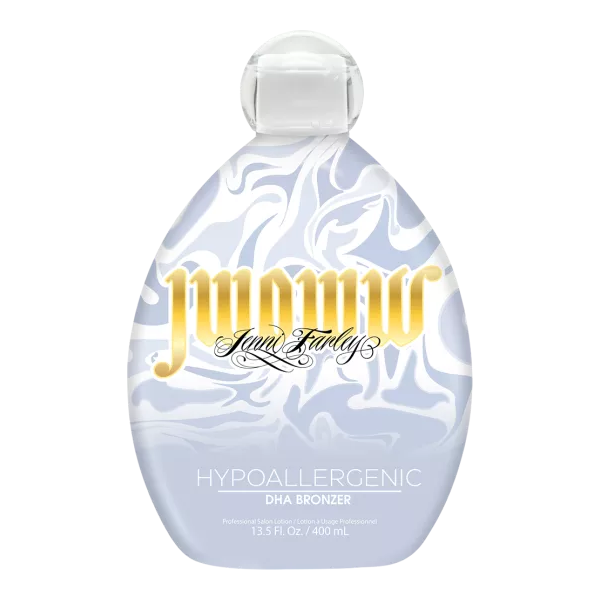
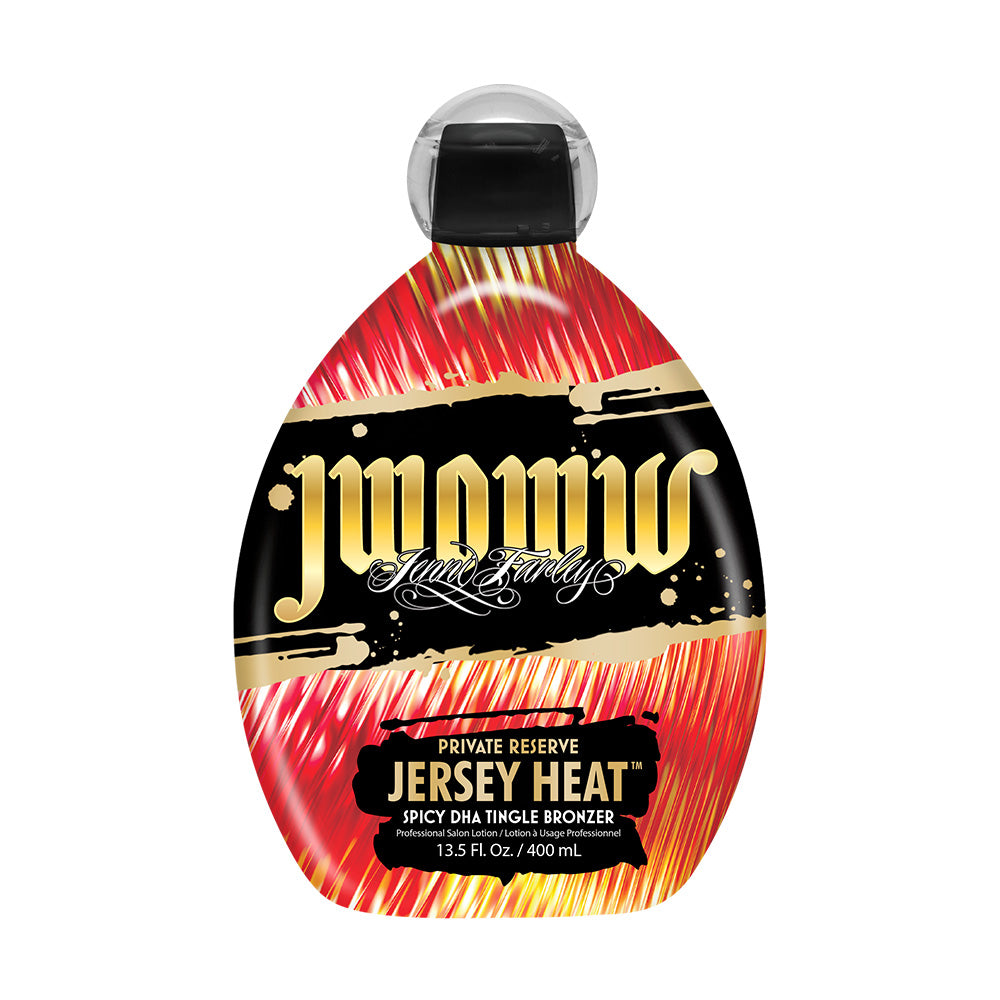
Sunol Valley stocks only indoor-formulated tanning lotions. You won’t find outdoor SPF lotions or petroleum-based formulas in their catalog. That means every product you order is already vetted as acrylic-safe — no label-checking required on your end.
FAQ — Indoor vs Outdoor Tanning Lotion Questions Answered
No. Outdoor tanning lotions contain mineral oil and SPF filters that are chemically incompatible with tanning bed acrylic. Mineral oil (paraffinum liquidum) causes clouding and cracking of PMMA acrylic surfaces over time. SPF filters block the UVA rays you’re paying for, making your session much less effective. Most salons will not allow you to use outdoor lotion in their beds — and now you know why.
The biggest difference is what they put in as a moisturizer and whether they include SPF. Outdoor lotions use mineral oil (petrolatum / paraffinum liquidum) as their primary moisturizer and include UV-blocking agents like avobenzone, oxybenzone, or zinc oxide. Indoor lotions use plant-based moisturizers — shea butter, aloe vera, plant oils — and replace SPF with bronzing agents like DHA, beta carotene, or caramel bronzers. Indoor lotions also typically include Tyrosine to activate your skin’s melanin response.
One accidental use won’t destroy the acrylic. The damage is cumulative — it builds up over many sessions. If it happens once, let the salon know and wipe down the acrylic with their approved cleaner. The real problem is regular use over time. If you’re unsure what you used, check the ingredient list: if you see paraffinum liquidum, petrolatum, or any SPF filter in the ingredients, it’s an outdoor or general-use lotion, not an indoor tanning formula.
Most regular body lotions are not safe for tanning beds. Standard moisturizers — including popular brands like Lubriderm, Vaseline Intensive Care, Jergens, and similar products — almost universally contain mineral oil or petrolatum as a primary ingredient. These cause the same acrylic damage as outdoor tanning lotions. Additionally, regular body lotion contains no tanning-enhancing ingredients, so you’d be damaging the bed while also getting a weaker result. Always use a lotion specifically formulated for indoor tanning.
It’s not a myth — it’s well-documented by tanning bed manufacturers and acrylic suppliers. Tanning bed shields are made from PMMA (polymethyl methacrylate), a plastic that is vulnerable to petroleum-based compounds. Mineral oil is petroleum-derived. When it contacts PMMA repeatedly, it weakens the polymer structure, causing clouding, microcracks, and brittleness. Tanning bed manufacturers specifically void warranties when evidence of petroleum-based lotion use is found on the acrylic. Most salons enforce no-mineral-oil policies for exactly this reason.
Check the label for two things. First, look for an SPF number anywhere on the packaging — if it has SPF, it’s an outdoor product. Second, scan the ingredient list for paraffinum liquidum or petrolatum in the first five ingredients — if either is present, it’s not formulated for indoor use. Dedicated indoor tanning lotions like those from Designer Skin and JWOWW available at sunolvalley.com have no SPF and use plant-based moisturizers. If you buy from a store that sells only indoor tanning products, you’re automatically protected.
DHA stands for dihydroxyacetone — a sugar-derived molecule that reacts with amino acids in your skin’s outer layer to create a temporary brown color. It’s the active ingredient in most self-tanners and in many indoor tanning bronzers. DHA is water-soluble and completely inert toward PMMA acrylic. It does not absorb into or degrade tanning bed surfaces. It’s one of the most acrylic-safe bronzing ingredients available, which is why it’s used extensively in indoor tanning formulas like the JWOWW Hypoallergenic DHA™.

